Polypropylene (PP) is one of the most widely used plastics across industries due to its versatility, strength, and resistance to chemical and thermal stress. However, its extensive use has also contributed to rising plastic waste levels. As global sustainability efforts intensify, innovative approaches to PP Recycling are emerging as vital solutions for minimizing environmental impact and promoting a circular economy.
One of the most promising methods is advanced mechanical recycling, which involves optimized sorting and washing processes to recover higher-quality PP from mixed waste streams. New technologies using near-infrared (NIR) spectroscopy and AI-assisted sorting allow for better separation of PP from other plastics, increasing the efficiency and purity of the recycled material.
Chemical recycling has also gained momentum in recent years. Unlike traditional mechanical methods, chemical recycling breaks down PP into its base monomers, which can then be repolymerized into virgin-quality plastic. This process offers the advantage of removing additives, dyes, and contaminants, making the recycled PP suitable for high-performance applications, including food packaging and automotive components.
Another innovation in PP recycling involves depolymerization techniques, where catalysts are used to convert PP waste into useful fuels or raw chemicals. These processes not only reduce the need for virgin fossil resources but also help manage non-recyclable plastic waste that would otherwise end up in landfills or incineration.
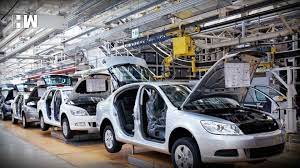
In addition, closed-loop systems are being adopted by manufacturers to reclaim and reuse post-industrial PP waste directly within their production cycles. This internal recycling strategy reduces material costs, lowers carbon emissions, and supports corporate sustainability goals.
To further enhance the recyclability of PP, research is ongoing into design-for-recycling strategies. These include producing PP products with fewer additives, simplified color palettes, and recyclable labels or adhesives, all of which facilitate more efficient post-consumer recycling.
Education and public awareness campaigns also play a key role in supporting these innovations. Encouraging consumers to correctly sort and dispose of PP products ensures that more material reaches recycling facilities in recoverable condition.
In conclusion, the future of PP recycling lies in the synergy between technological innovation, responsible design, and public participation. By embracing these advanced approaches, industries and consumers alike can contribute to a more sustainable future, where plastic waste is transformed into valuable resources rather than environmental burdens.