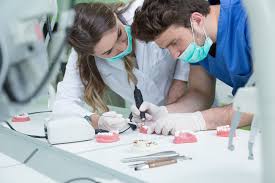
In the rapidly evolving world of restorative dentistry, the gap between an average practice and an exceptional one often lies in the partners they choose. Specifically, the dental laboratory acts as the silent engine room of a dental clinic. With the global best dental labs services market projected to reach significantly higher valuations by 2030, the pressure is on for clinicians to deliver flawless results faster than ever before. But in a sea of options, what truly defines the “best” dental lab? The answer lies in a synergistic blend of advanced technology, material integrity, and unyielding quality control.
The Integration of Advanced Digital Workflows
The era of analog-only dentistry is fading. Top-tier dental labs are defined by their investment in digital infrastructure. We are seeing a massive surge in the adoption of intraoral scanners, and the best labs are those equipped to handle complex digital workflows seamlessly. A lab that utilizes high-end CAD/CAM (Computer-Aided Design and Manufacturing) technology isn’t just following a trend; they are ensuring precision.
Automated milling machines and 3D printers reduce the margin for human error significantly compared to traditional hand-waxing methods. When a lab prioritizes digital integration, they offer better marginal fit and occlusion, which directly translates to less chairside adjustment time for the dentist.
Uncompromising Material Standards
Consistency in dental restorations is impossible without rigorous standards for raw materials. The market is unfortunately saturated with “gray market” materials that may look acceptable aesthetically but fail mechanically or biologically over time. The defining characteristic of a superior lab is transparency regarding the materials they use.
High-quality labs only utilize FDA-510(k) cleared materials from reputable manufacturers. Whether it is Zirconia, Lithium Disilicate, or PFM alloys, the best labs can provide lot numbers and authenticity certificates. This commitment ensures that the patient is receiving a safe, biocompatible product that won’t fracture prematurely, safeguarding the dentist’s reputation.
Communication and Technical Support
Statistics in the dental industry often highlight that a significant percentage of remakes are caused by miscommunication between the chair and the bench. Therefore, a top-quality lab is defined by its communication protocols. They don’t just take orders; they act as technical consultants.
The best labs employ experienced technicians—often Certified Dental Technicians (CDTs)—who are available to discuss complex cases, shade matching, and material selection before the fabrication begins. This proactive approach prevents errors before they happen. Consistency is achieved when the lab provides a predictable outcome every single time, maintaining a low remake rate that keeps the practice profitable and efficient.
Conclusion
Ultimately, the best dental lab is an extension of your own team. They share your commitment to patient satisfaction and clinical excellence. By focusing on labs that embrace digital precision, guarantee material authenticity, and prioritize expert communication, you ensure that every restoration you seat is a testament to quality. Assess your current lab partnerships today and ensure they meet these high standards to future-proof your practice.