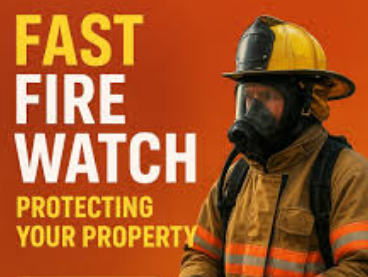
A Fire Watch Guard is a trained professional responsible for monitoring high-risk areas to prevent fire-related incidents. Unlike automated fire systems, Fire Watch Guards provide continuous human observation, identifying hazards that may not be immediately detected by machines. In industrial facilities, where equipment, chemicals, and flammable materials are present, their role is crucial.
Why Are Fire Watch Guards Essential in Industrial Facilities?
Industrial environments are inherently prone to fire hazards due to machinery, electrical systems, and chemical storage. Statistics reveal that industrial fires account for a significant portion of property damage each year, with some studies showing that over 30% of industrial fires could have been prevented with early detection and intervention. Fire Watch Guards serve as a proactive safety measure, minimizing risks to both employees and valuable assets.
What Are the Key Responsibilities of Fire Watch Guards in Industrial Settings?
Monitoring High-Risk Areas
Fire Watch Guards continuously patrol areas with elevated fire risk, such as chemical storage, manufacturing floors, and electrical rooms. Studies show that facilities with dedicated fire watch personnel experience up to 40% fewer fire-related incidents than those without active monitoring.
Early Detection of Fire Hazards
Guards are trained to identify early warning signs, including smoke, sparks, overheating machinery, or flammable material accumulation. Early detection allows swift response, significantly reducing the likelihood of extensive property damage.
Ensuring Equipment Readiness
Fire Watch Guards check that firefighting equipment, such as extinguishers, hoses, and alarms, is functional and accessible. Research indicates that quick access to operational equipment during the initial moments of a fire can prevent up to 60% of potential damage.
Assisting in Emergency Response
In the event of a fire, Fire Watch Guards help implement emergency protocols, guide employees to safety, and coordinate with emergency teams. Facilities with trained personnel report faster and more organized evacuation procedures, reducing injuries and improving overall safety outcomes.
Documentation and Reporting
Fire Watch Guards maintain detailed records of observed hazards, potential risks, and incidents. This documentation supports safety audits, trend analysis, and continuous improvement of fire prevention strategies. Data suggests that workplaces with thorough fire watch logs experience a measurable increase in safety compliance.
How Do Fire Watch Guards Improve Overall Safety Culture?
The presence of trained fire watch personnel encourages employees to adhere to safety protocols. Industrial facilities with active monitoring develop a stronger culture of vigilance and responsibility. According to industry surveys, companies employing professional fire watch services report not only fewer fire incidents but also higher overall compliance with safety standards.
Can Fire Watch Guards Prevent Fire Disasters Completely?
While no measure can guarantee absolute prevention, Fire Watch Guards significantly reduce the likelihood and severity of industrial fires. Their vigilance ensures that hazards are detected early, and response measures are implemented promptly, effectively minimizing risks to people and property.
Conclusion
Professional Fire Watch Guards are indispensable for industrial facilities, where fire hazards are common and the consequences of incidents are severe. By providing continuous monitoring, early hazard detection, and emergency assistance, they protect lives, reduce property damage, and strengthen workplace safety culture. Investing in trained fire watch personnel demonstrates a proactive approach to safety and ensures that industrial operations continue smoothly and securely.