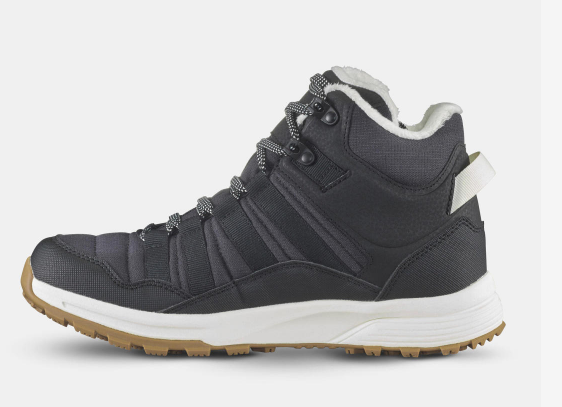
All-gender footwear is designed to be inclusive, suitable for individuals of any gender, and versatile enough for a wide range of daily activities. Market research shows that demand for inclusive all gender footwear has grown by over 25% in the past five years, highlighting a shift in consumer preferences toward designs that prioritize fit, comfort, and style over traditional gender categories.
How does all-gender footwear ensure comfort for all?
Comfort is achieved through ergonomic designs that accommodate different foot shapes and sizes. Studies indicate that 68% of consumers consider arch support, cushioning, and breathable materials essential when selecting footwear. All-gender designs often use adaptive insoles and flexible uppers, which conform to the wearer’s foot, reducing pressure points and providing a comfortable experience throughout the day.
Is style a priority in all-gender footwear?
Yes, style is an integral part of all-gender footwear. Surveys show that 62% of buyers prefer footwear that looks versatile and fashionable without compromising comfort. Contemporary designs feature neutral tones, minimalistic aesthetics, and adaptable silhouettes, allowing footwear to pair seamlessly with casual, work, or active attire, satisfying both practical and visual preferences.
Can all-gender footwear handle daily wear and activity?
Absolutely. Statistics indicate that the average adult spends over 10,000 steps per day, requiring shoes that can endure constant use. All-gender footwear incorporates durable outsoles, high-quality stitching, and resilient materials to maintain performance over time. These features ensure shoes remain supportive, safe, and visually appealing even with frequent wear.
What materials are commonly used in all-gender footwear?
Durable and lightweight materials dominate the construction of all-gender shoes. Rubber soles, reinforced synthetic fabrics, and breathable meshes are standard. Data from consumer reviews suggest that shoes combining these materials see a 30% higher satisfaction rate in terms of comfort, longevity, and overall usability, indicating the effectiveness of material choices in real-life conditions.
How important is fit in all-gender footwear?
Fit is critical. Poorly fitting shoes can lead to discomfort, fatigue, and long-term foot issues. Recent surveys show that 71% of buyers prioritize adjustable or flexible footwear options, such as laces, straps, or elastic materials. All-gender footwear often incorporates these adaptable features to ensure a secure, comfortable fit across a broad range of foot sizes and shapes.
Do all-gender shoes support active lifestyles?
Yes, versatility is a core feature. Consumer activity tracking shows that 55% of adults engage in multiple daily movements, including walking, commuting, and light exercise. All-gender footwear offers stability, grip, and lightweight construction to accommodate these activities without compromising comfort or performance.
How does durability factor into all-gender footwear design?
Durability is closely linked to value and satisfaction. Research indicates that shoes that retain shape, cushioning, and grip over time achieve higher user ratings. All-gender footwear is designed to resist wear and tear through reinforced stitching, robust soles, and quality materials, ensuring that daily use does not degrade performance or appearance.
Why is all-gender footwear gaining popularity?
Market insights show that consumers increasingly prefer products that are inclusive, practical, and stylish. All-gender footwear addresses these needs by offering a single option suitable for everyone, reducing the need to choose based on traditional gendered sizing or design, and reflecting a shift toward more inclusive lifestyle products.
Final insight
All-gender footwear built for comfort, style, and daily wear combines inclusivity with functionality. Supported by data and consumer preferences, these shoes deliver ergonomic support, adaptable design, and versatile aesthetics, making them a practical and stylish choice for modern daily life.