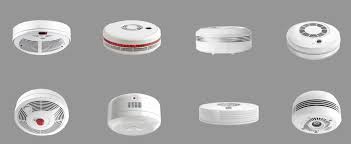
For property owners, ensuring the safety of tenants and buildings is a top priority. A critical component of this is a reliable fire alarms system. Understanding the basics can make all the difference in an emergency. Here are some frequently asked questions to help you navigate the essentials of fire alarm systems.
What are the main types of fire alarm systems?
Fire alarm systems are generally categorized as either conventional or addressable.
Conventional systems are suited for smaller properties. They divide the building into broad zones. If a detector is triggered, the control panel will indicate which zone has a potential fire, but not the specific location of the detector.
Addressable systems are more advanced and ideal for larger or more complex buildings. Each detection device has a unique address. If an alarm is triggered, the control panel will pinpoint the exact location of the incident, allowing for a faster and more precise response.
How often do fire alarms need to be tested?
Regular testing is crucial to ensure your fire alarm system functions correctly when you need it most. While local regulations can vary, a general best practice is:
Weekly: Test at least one manual call point during working hours to check that the control panel receives the signal. It’s good practice to test a different call point each week to cover all of them over time.
Monthly: Commercial properties should have their systems tested by a competent person.
Annually: A full inspection by a certified professional is typically required. This comprehensive check ensures all components of the system are in optimal working order.
What causes false alarms, and how can they be prevented?
False alarms can be disruptive and can lead to complacency. Common causes include dust, steam from showers, cooking fumes, and insect activity within detectors. To minimize them:
Install the correct type of detector for the area (e.g., heat detectors in kitchens instead of smoke detectors).
Ensure detectors are cleaned regularly as part of your maintenance schedule.
Use detector covers during construction or deep cleaning activities to prevent dust from entering the devices.
Why is professional installation and maintenance so important?
While it might be tempting to handle installation yourself, fire alarm systems are complex life-safety equipment. Professional installation ensures the system is designed correctly for your property’s specific layout and risks. Certified technicians will make sure the system complies with all national and local fire codes. Likewise, professional maintenance guarantees that your system remains reliable, providing peace of mind that it will perform as expected during an emergency.