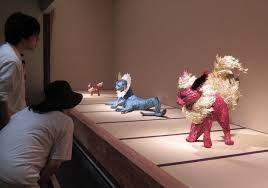
From its inception, the Pokémon franchise has been deeply rooted in Japanese culture. While the games, anime, and merchandise have found global success, the heart of Japanese pokémon display (Display pokémon japonais). This cultural influence shapes everything—from the look and behavior of individual creatures to the environments, traditions, and stories woven into the Pokémon world. Understanding this connection reveals the richness and depth behind the beloved characters and their universe.
Inspiration from Japanese Folklore and Mythology
Many Pokémon are directly inspired by yōkai—supernatural beings from Japanese folklore. For instance, Ninetales is modeled after the mythical “kitsune,” a fox spirit said to possess multiple tails and magical powers. Similarly, Froslass draws from the legend of the Yuki-onna, a ghostly snow woman who appears during winter. These connections to ancient stories give Pokémon an added layer of cultural identity, transforming them from fantasy creatures into representations of Japan’s storytelling heritage.
Nature and Seasonal Symbolism
Japanese culture places a strong emphasis on the changing seasons and natural beauty, and this is clearly reflected in Pokémon design. Creatures like Cherrim, which blooms in sunlight, or Deerling, which changes form with the seasons, embody this appreciation for nature’s cycles. Even the in-game regions are often modeled after real Japanese landscapes, featuring elements such as forests, hot springs, rice fields, and mountain shrines. This grounding in real-world beauty helps create immersive and meaningful game worlds.
Traditional Crafts and Architecture
Certain Pokémon designs reflect elements of traditional Japanese art and craftsmanship. For example, Darumaka is inspired by the daruma doll, a talisman of perseverance and good luck, while the Pokémon Bronzong resembles a traditional bronze temple bell. These references pay homage to Japan’s material culture and allow younger generations to encounter symbols of tradition through play and storytelling.
Japanese Values and Personality Traits
Beyond appearance, many Pokémon reflect values found in Japanese society. Themes of loyalty, respect for nature, inner strength, and perseverance appear frequently in Pokémon behavior and lore. Pokémon that evolve through friendship or grow stronger with care mirror the cultural importance of relationships, growth, and effort—core principles in both Japanese education and family life.
Language and Wordplay
Even Pokémon names often contain clever Japanese wordplay, puns, or kanji references. While localized versions adapt names for global audiences, the original names frequently blend sounds and meanings rooted in the Japanese language. This linguistic creativity adds an additional cultural layer for native speakers and enthusiasts.
In Conclusion
The role of culture in Japanese Pokémon design is not only foundational but also essential to the charm and longevity of the franchise. By drawing from its own myths, values, language, and environment, Pokémon remains both globally accessible and deeply connected to its Japanese roots.